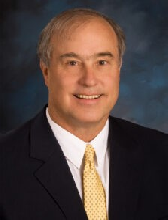
Kaneohe, HI - Prominently featured in The Inner Circle, William Douglas Bush Hiller, MD is acknowledged as a Pinnacle Professional Member Inner Circle of Excellence for his contributions to Sports Medicine and Triathlon Safety.
William Douglas Bush Hiller, MD, has built a distinguished international career in sports medicine, orthopedic surgery, and clinical research, earning recognition for his contributions to athlete safety, endurance event medicine, and sports science. Through decades of clinical practice, research, education, and volunteer service, he has helped shape medical standards and improve health outcomes for athletes around the world.
Dr. Hiller's expertise spans sports medicine, orthopedic surgery, foot and ankle care, triathlon safety research, and endurance event medicine. Throughout his career, he has combined patient-centered care with scientific investigation, helping advance understanding of the unique medical challenges faced by endurance athletes.
A graduate of the University of California, Berkeley, Dr. Hiller earned a Bachelor of Arts in Physics in 1974 before receiving his Doctor of Medicine from Sidney Kimmel Medical College at Thomas Jefferson University in 1981. He subsequently completed a research fellowship at Pennsylvania Hospital with Penn Medicine in 1982, followed by fellowships in Sports Medicine at Duke University Medical Center and Surgery at Sidney Kimmel Medical College in 1989.
One of Dr. Hiller’s most significant accomplishments has been his leadership in international triathlon safety research. As co-director of the global triathlon safety database, he helped develop one of the most comprehensive collections of injury and mortality data in endurance sports. The database has generated multiple international publications and has contributed to the development of medical guidelines used at triathlon events worldwide.
His research has led to several important discoveries, including the early identification of hyponatremia during the 1984 IRONMAN World Championship and the recognition of cardiac fatigue in endurance athletes. These findings have played a significant role in improving athlete safety and medical preparedness at endurance competitions.
Dr. Hiller has served as a medical doctor at three Olympic Games, including Sydney, Athens, and Beijing, and as a medical official at two Paralympic Games in Rio and Tokyo. He has also served extensively with World Triathlon, helping develop medical policies and standards that continue to influence international competition.
Beyond research and event medicine, Dr. Hiller has dedicated much of his career to education and mentorship. He founded and directed the Primary Care Sports Medicine Fellowship at the John A. Burns School of Medicine at the University of Hawaii and later directed the foot and ankle section of an orthopedic residency program. Since 2019, he has served as Clinical Professor of Research at the Elson S. Floyd College of Medicine at Washington State University.
His clinical career has included orthopedic practices in Wyoming, Hawaii, and Washington. He provided long-term specialized care to underserved populations, including patients on the Wind River Indian Reservation, and advocated successfully for legislation requiring full-time certified athletic trainers in all Hawaii public high schools.
Dr. Hiller’s accomplishments have been recognized with numerous honors, including induction into the World Triathlon Hall of Fame with the Michel Gignoux Award in 2019 and the USA Triathlon Multisports Award in 2024.
Looking ahead, Dr. Hiller remains committed to inspiring future physicians through research, teaching, and patient-centered care. He continues to advocate for transparency in athlete health and safety while promoting evidence-based approaches to endurance sports medicine.
Guided by a philosophy that balances fierce independence with deep compassion, Dr. Hiller believes physicians have a responsibility to provide honest information regarding both the risks and benefits of athletic participation. Through his research, leadership, and clinical service, he continues to leave a lasting impact on sports medicine and athlete health worldwide.